
Repointing in Leeds
— Restore Strength
to Every Joint
Eroded mortar joints compromise your property's weatherproofing and structural integrity. Professional repointing restores protection, prevents water damage, and extends the life of your brickwork by decades.
Specialist repointing using lime and cement mortars — matched to your property's original construction
What Is Repointing and Why Does It Matter?
Repointing is the process of removing deteriorated mortar from the joints between bricks (or stones) and replacing it with fresh mortar. Over time, wind, rain, frost, and pollution erode the mortar in masonry joints, creating gaps where water can penetrate the wall structure.
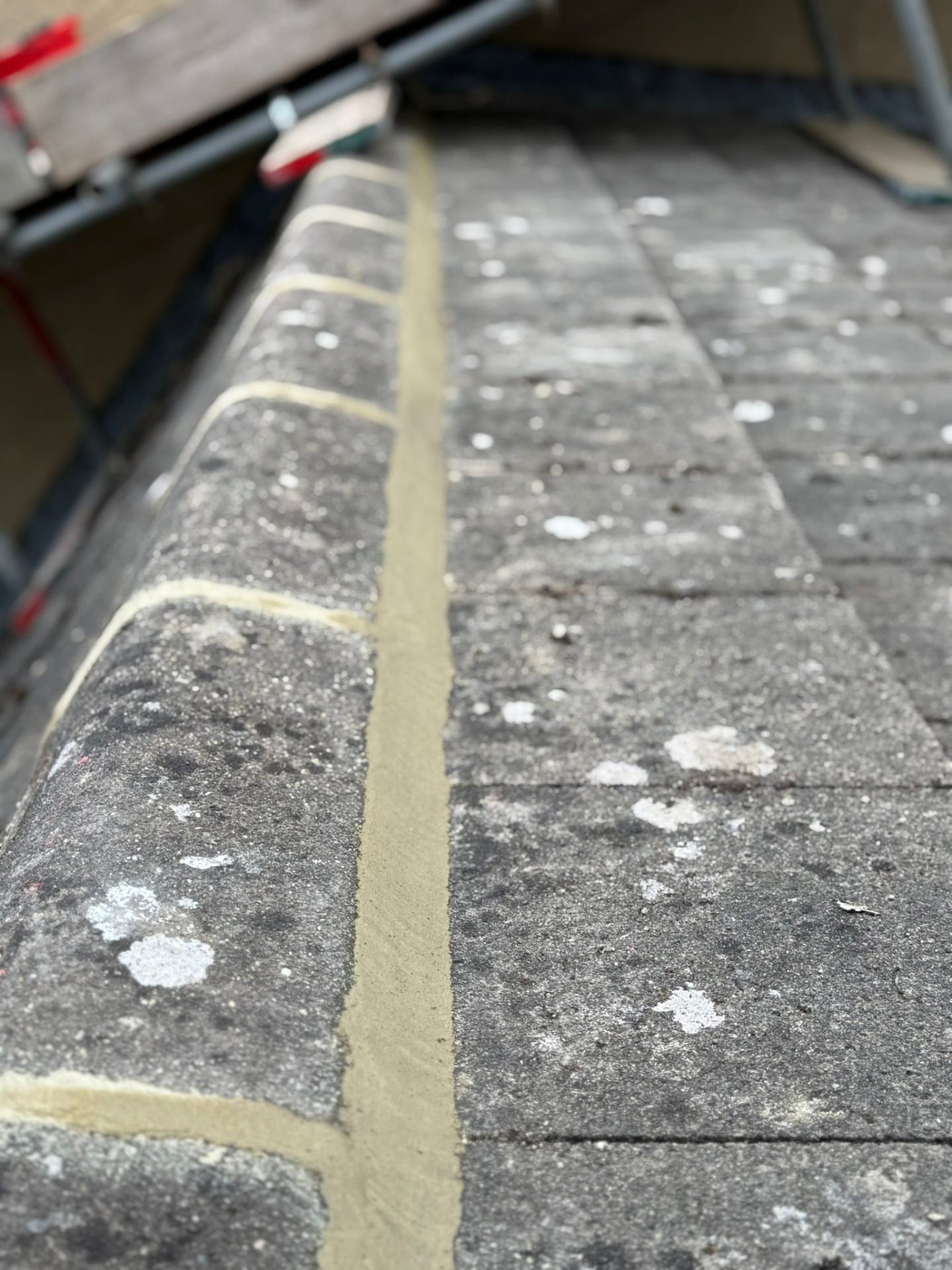
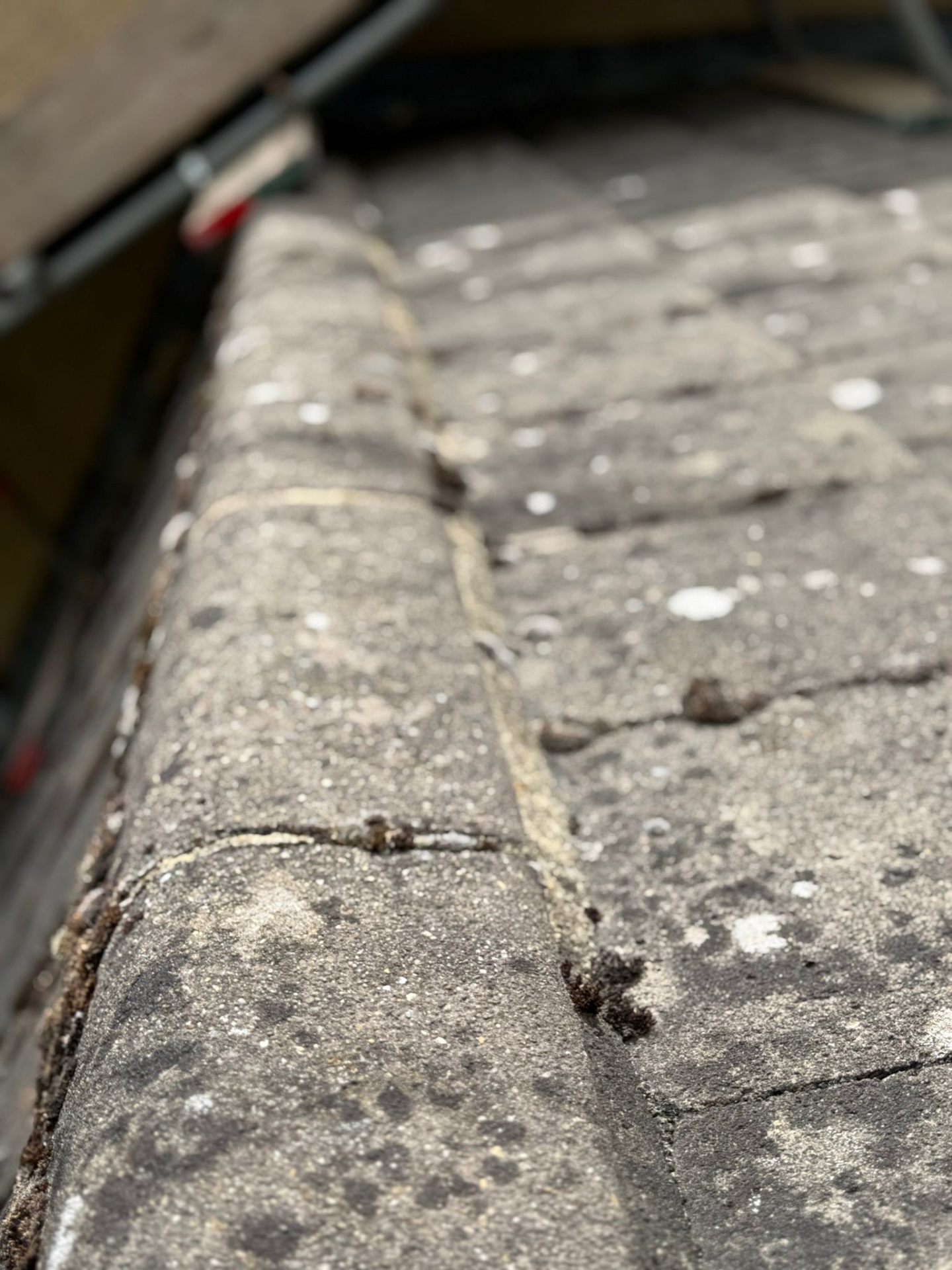
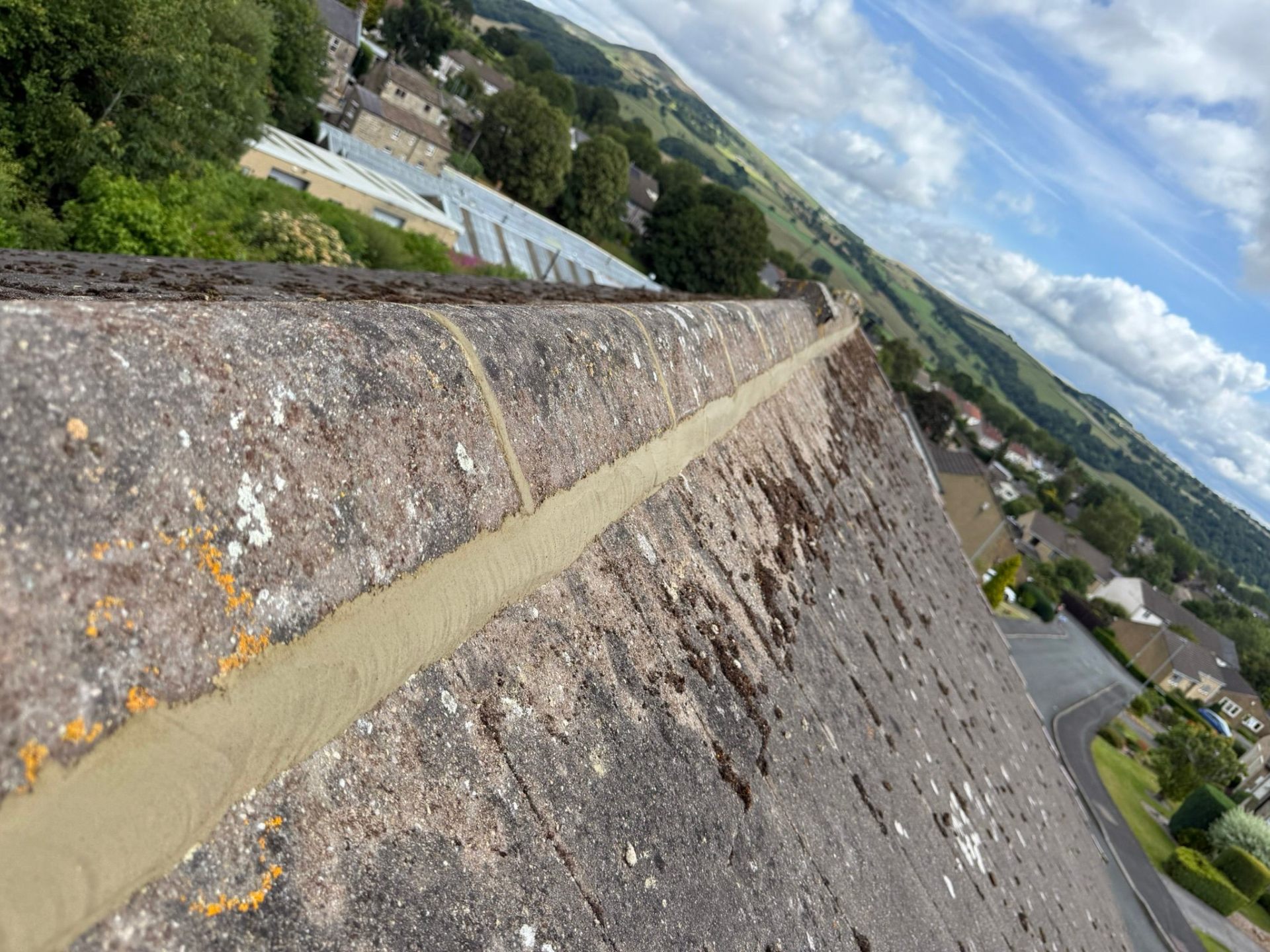
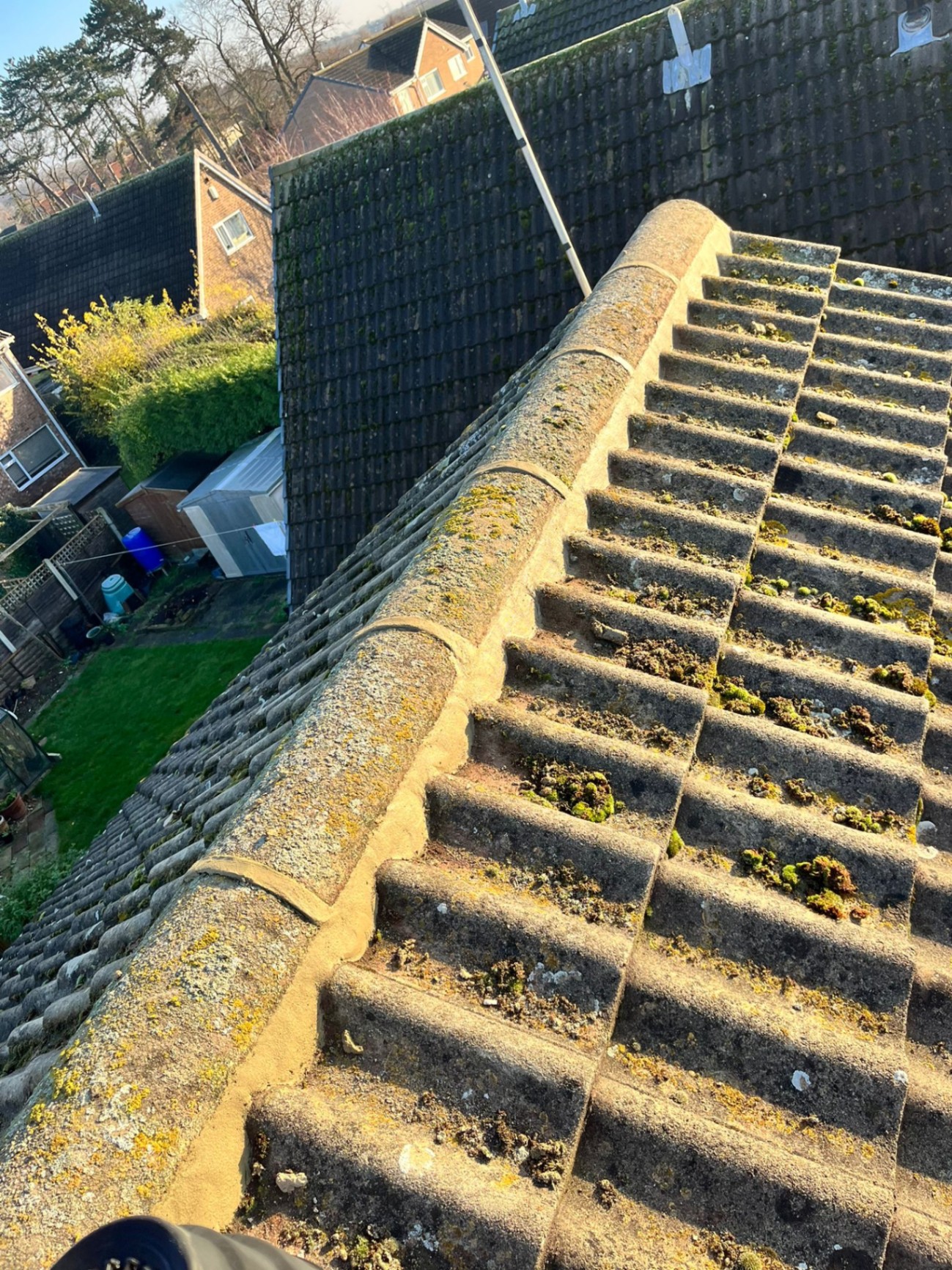
In Leeds, repointing is commonly needed on Victorian terraces (1850-1900), Edwardian semis (1900-1930), and post-war properties where original mortar has reached the end of its effective life. Ridge tile repointing — renewing the mortar beds that hold ridge tiles in place along the top of pitched roofs — is equally common.
Professional repointing matters because the mortar type must match the original construction. Using the wrong mortar causes more damage than leaving the joints alone. A lime-mortar property repointed with cement will trap moisture within the brickwork, causing spalling, salt crystallisation, and accelerated decay.
Looking for a free roofing estimate? Contact our experienced Leeds roofing team today.
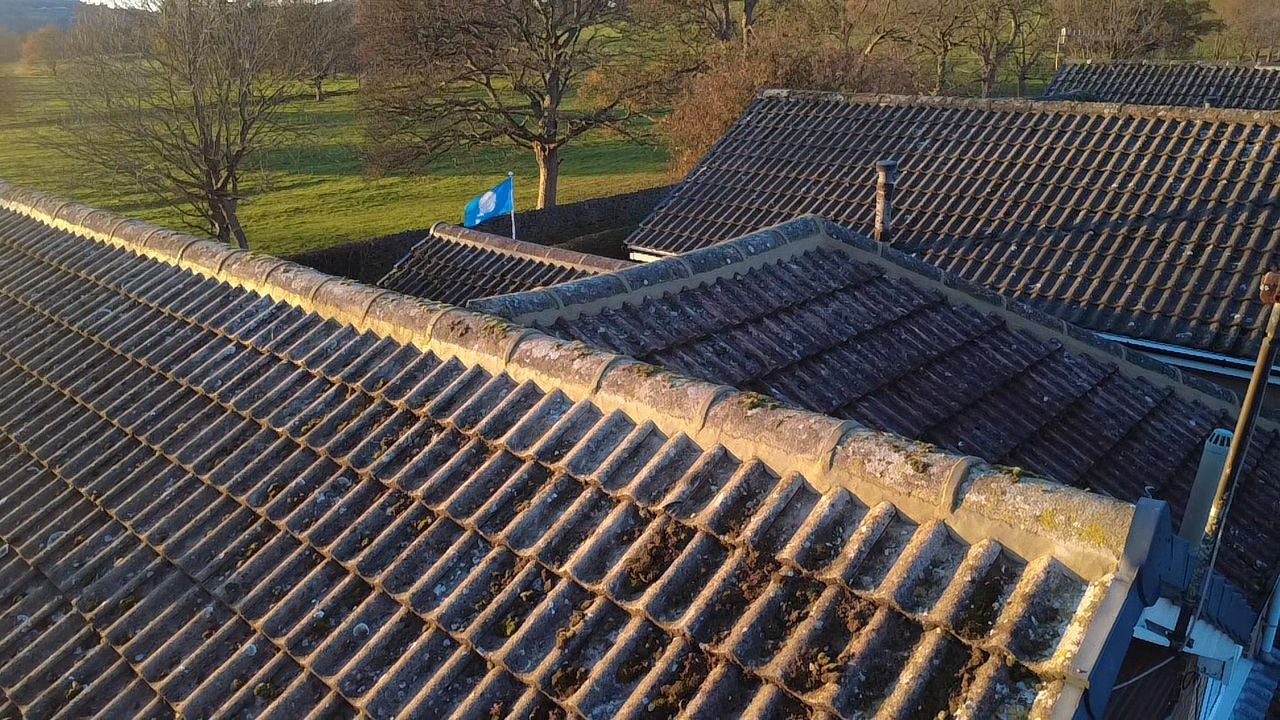
What Happens When Mortar Joints Deteriorate
Deteriorated mortar joints allow rain to penetrate the outer skin of your brickwork. In cavity walls, this water can bridge the cavity and cause internal damp. In solid-wall construction — common in older Leeds properties — water travels directly through the wall, appearing as damp patches, peeling paint, and mould growth.
Frost damage accelerates the problem exponentially. Water that enters eroded joints freezes during cold weather, expanding by approximately 9%. This expansion cracks the mortar further and can split the bricks themselves. Each freeze-thaw cycle worsens the damage, turning a repointing job into a brick replacement job.
Ridge tiles with deteriorated mortar beds become loose and unstable. A ridge tile weighs between 3kg and 6kg. Dislodged from a roof in high winds, it becomes a projectile capable of causing serious injury to anyone below and significant damage to vehicles, conservatories, and neighbouring properties.
Neglected repointing progresses from a maintenance task costing £500-£2,000 to a structural remediation project costing £5,000+. The mortar in a well-constructed wall will last 50-80 years. If yours has reached that point, investing in professional repointing now prevents dramatically higher costs later.
Our Process
Assessment
We inspect the mortar condition, identify the original mortar type (lime or cement), assess the extent of deterioration, and check for signs of water damage to the underlying structure.
Mortar Matching
We formulate a mortar mix that matches the original in colour, texture, strength, and composition. This ensures compatibility with the existing brickwork and a consistent visual finish.
Joint Preparation
Deteriorated mortar is carefully raked out to a depth of at least 15mm using hand tools or specialist equipment. We avoid power tools on lime mortar joints to prevent brick damage.
Mortar Application
Fresh mortar is applied in layers, compacted firmly to eliminate voids, and finished to match the original joint profile — flush, weatherstruck, or recessed depending on the property.
Curing & Protection
Lime mortars require careful curing — protection from direct sun, wind, and frost for several days. We manage this process to ensure the mortar achieves full strength and durability.
Why Choose Arla Roofing
Material Compatibility
We use lime mortar on pre-1919 buildings and cement-lime mixes on later construction. Wrong mortar causes brick damage — we get it right every time.
Weatherproofing Restored
Properly repointed joints shed water effectively, preventing penetration into the wall structure and eliminating internal damp.
Visual Transformation
Fresh repointing transforms the appearance of tired brickwork, dramatically improving your property's kerb appeal without the cost of external rendering.
Structural Preservation
Mortar joints distribute loads between bricks. Repointing restores this function, maintaining the wall's structural integrity for decades.
Heritage Sensitivity
For older Leeds properties, we use traditional lime mortars and joint profiles that respect the building's original character and comply with conservation requirements.
Long-Term Value
Quality repointing lasts 50-80 years. Compared to the cost of water damage repair, render application, or brick replacement, it's one of the best investments you can make.
Read what our customers say in our verified customer reviews.
Repointing: Materials, Techniques & Specialist Applications
Mortar selection is the most critical decision in repointing. Pre-1919 properties in Leeds were built with lime mortar — a mix of lime putty or hydraulic lime with sand. This mortar is softer than the bricks, which allows it to absorb movement and release moisture through evaporation. It acts as a sacrificial layer — designed to wear before the bricks do.
Modern Portland cement mortar, introduced widely after World War I, is significantly harder than lime. When applied to older brickwork, it creates a hard, impermeable joint that forces moisture to escape through the brick face instead. This causes spalling — the surface of the brick flakes away, causing irreversible damage.
We use NHL (Natural Hydraulic Lime) mortars for pre-1919 properties, formulated to match the original mortar's colour and strength. NHL mortars set through a combination of hydraulic and carbonation processes, providing good strength while maintaining the breathability and flexibility that older buildings require.
For post-1919 properties built with cement mortar, we use a cement-lime-sand mix at ratios appropriate to the exposure conditions. Sheltered elevations may use a 1:1:6 mix (cement:lime:sand), while exposed elevations may require 1:½:4½ for additional durability.
Joint profiles matter both aesthetically and functionally. A flush joint sits level with the brick face and is the most common original profile on Leeds properties. A weatherstruck joint is angled to shed water outward — slightly more effective for exposed walls. A bucket handle joint (concave) is the most weather-resistant profile and works well on both old and modern brickwork.
Ridge tile repointing involves removing all old mortar from around the ridge tiles, cleaning the joint, and re-bedding the tiles in fresh mortar with a bed depth of at least 25mm. We can also fit dry ridge systems as an alternative — mechanical fixings that eliminate mortar entirely and require zero future maintenance.
Stone repointing — for properties with stone elevations common in areas like Horsforth and Otley — requires specific knowledge of stone masonry. Joints in stone walls are typically wider and deeper than brick joints, and the mortar must be mixed to complement the stone's colour and porosity. We have experience with Yorkshire sandstone, limestone, and gritstone construction.
Frequently Asked Questions
How much does repointing cost in Leeds?
Repointing costs depend on the area to be covered, the mortar type required, and access requirements. As a guide, repointing the front elevation of a typical Leeds semi costs between £500 and £1,500. Ridge tile repointing costs £300-£600. We provide a fixed-price quote after assessment.
How long does repointing take?
A single elevation typically takes 2-4 days depending on size and condition. A full-house repoint may take 2-3 weeks. Ridge tile repointing is usually completed in a day.
How do I know if my house needs repointing?
Run your finger along the mortar joints. If the mortar crumbles, is missing, or has receded more than 5mm from the brick face, repointing is needed. Damp patches on internal walls adjacent to external brickwork are another strong indicator.
Do you use lime mortar or cement?
We use whichever mortar type is appropriate for your property. Pre-1919 buildings get lime mortar. Post-1919 buildings get cement-lime mixes. Using the wrong type causes brick damage — this is a critical decision we always get right.
Can I repoint my house myself?
Technically possible, but the risk of using the wrong mortar type and causing brick damage is significant. Incorrect repointing can cost more to undo than professional repointing costs to carry out. We strongly recommend professional assessment at minimum.
Will repointing stop damp in my house?
If the damp is caused by water penetrating through deteriorated mortar joints, then yes — repointing will resolve it. If damp persists, the cause may be elsewhere (rising damp, gutter overflow, cavity bridging) and further investigation is needed.
Do you repoint chimneys?
Yes. Chimney repointing is one of our specialist areas. See our dedicated Chimney Repairs page for more detail on chimney-specific work.
Is scaffolding needed for repointing?
Ground-floor repointing can often be completed from ground level. Upper floors and gable ends require scaffold or tower access. Ridge tile repointing requires roof-level scaffold. Access costs are included in our quote.
Do you guarantee your repointing work?
Yes. All repointing work carries a written workmanship guarantee. Properly matched mortar applied to correctly prepared joints will last 50-80 years.
What areas do you cover for repointing?
We cover Leeds and all surrounding areas including Wakefield, Bradford, Harrogate, Wetherby, Pudsey, Morley, Horsforth, and Otley.