
Leadwork Roofing
in Leeds — Precision
That Lasts Generations
Lead is the most durable roofing material available — when installed correctly. We deliver traditional leadwork skills applied to modern standards, creating weatherproofing details that last 60+ years.
Specialist leadwork team — flashings, valleys, bay tops, and lead flat roofs across Leeds
What Is Leadwork Roofing?
Leadwork roofing refers to the use of lead sheet for weatherproofing the most critical junctions and details on a roof. This includes flashings around chimneys, abutment walls, and roof penetrations; valley liners where two pitched roof sections meet; bay window tops; dormer cheeks and roofs; and small flat roof areas.
Lead has been used in British construction for centuries because it's malleable (can be dressed into complex shapes), durable (60-100+ year lifespan), waterproof, and self-healing (small scratches and abrasions oxidise and seal themselves). No other roofing material combines all these properties.
You need leadwork services when existing lead has cracked, lifted, or been stolen; when new construction requires flashing to roof junctions; or when an existing flashing detail has been incorrectly installed using inferior materials. Leadwork is not a DIY task — it requires specific skills, tools, and knowledge of thermal expansion behaviour.
Looking for a free roofing estimate? Contact our experienced Leeds roofing team today.
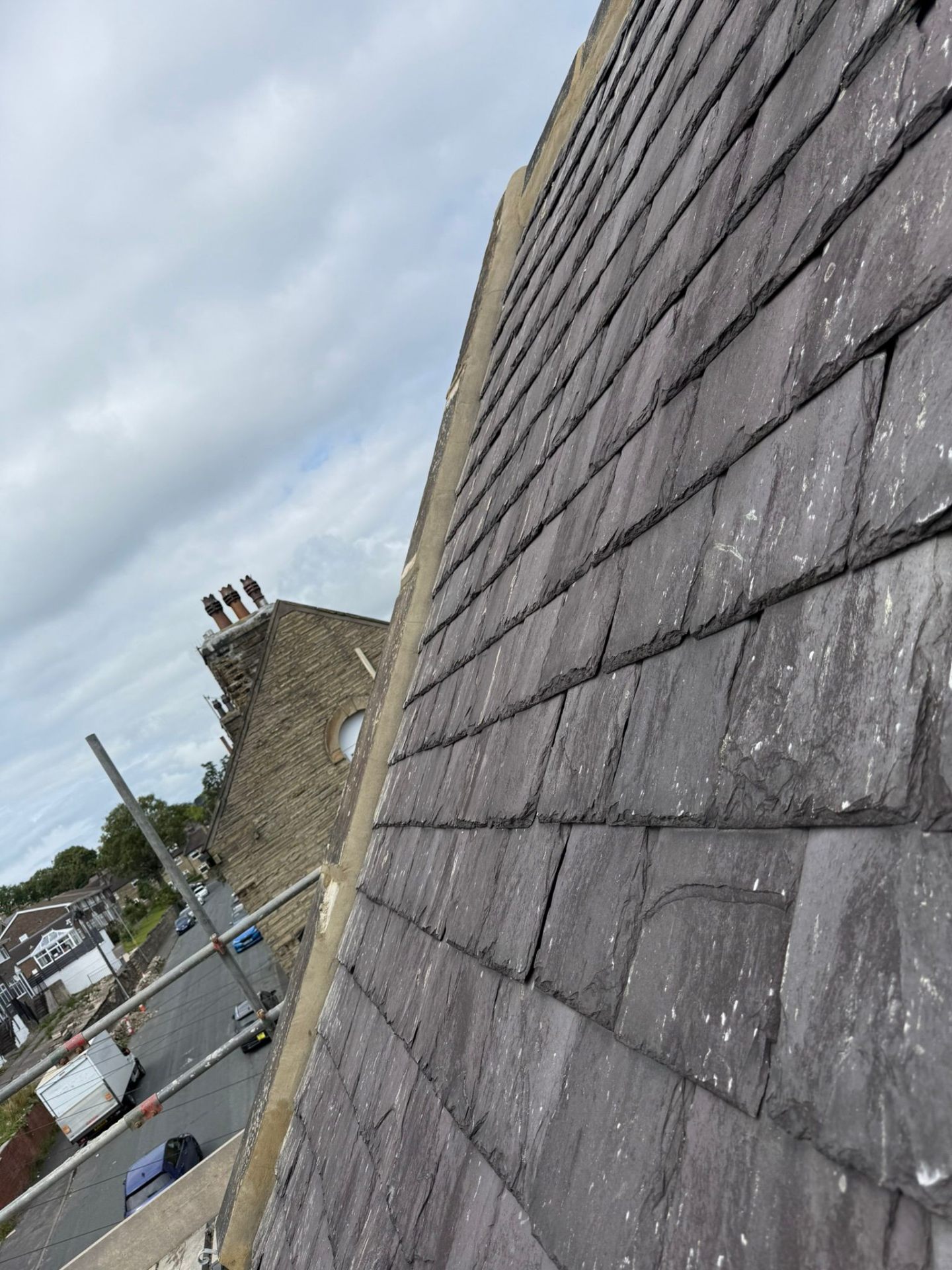
When Leadwork Fails, Water Finds Every Gap
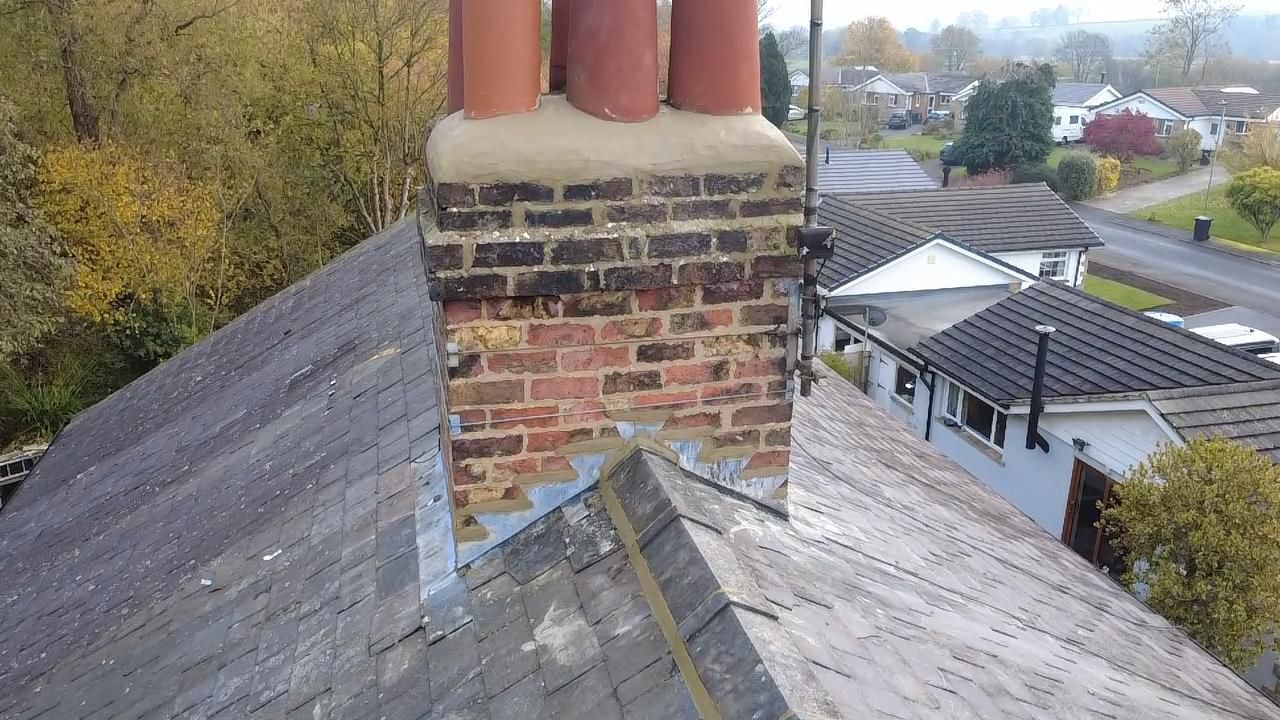
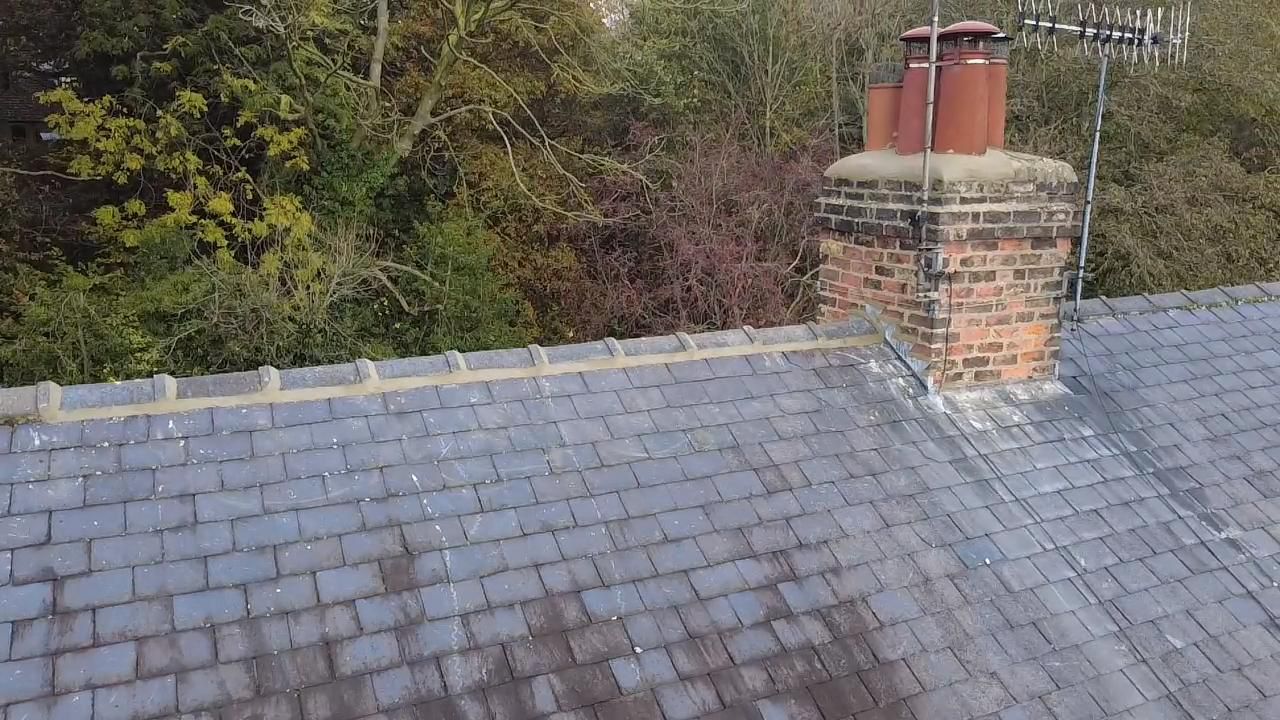
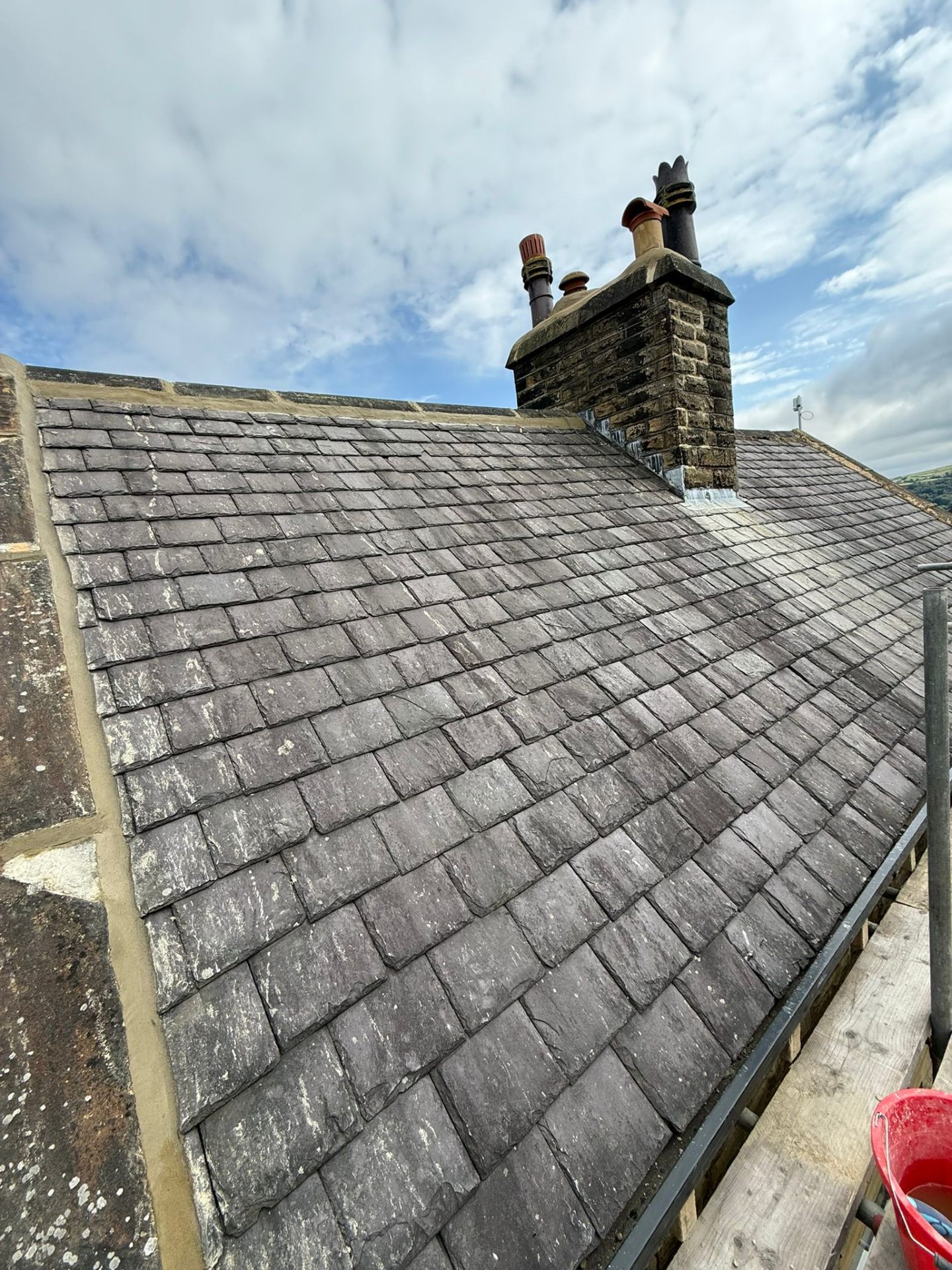
Lead flashings protect the most vulnerable points on any roof — the junctions where different materials and surfaces meet. When a flashing fails, water enters at precisely the point where the roof is most complex and most difficult to repair from below.
The most common failure mode is thermal fatigue cracking. Lead expands and contracts with temperature changes. If a lead piece is too long without an expansion joint, or if it's been fixed too rigidly, the repeated stress causes the lead to crack — typically at the point of greatest restraint. Once cracked, the flashing is compromised.
Inferior alternatives — lead-effect tape, silicone sealant, cement fillets — are frequently used as shortcuts. These materials have lifespans measured in years, not decades. They degrade with UV exposure, lose adhesion in freeze-thaw cycles, and create a false sense of security while water slowly finds alternative routes into the building.
Lead theft is a genuine concern in parts of Leeds and West Yorkshire. Stolen flashings leave the most vulnerable roof details completely exposed. The cost of water damage that follows can far exceed the cost of the replacement lead. We offer anti-theft solutions and alternative materials for properties in high-risk areas.
Our Process
Survey & Specification
We inspect existing leadwork, identify failures, and specify the correct lead code (thickness), size, and detailing method for each application.
Template Making
For complex details, we create templates to ensure accurate cutting and fitting. This is essential for chimney flashings and multi-angle junctions.
Lead Preparation
Lead sheet is cut to size, formed to the required profile, and where necessary, bossed (shaped) to fit around corners, angles, and penetrations.
Installation
Lead is fixed into position using appropriate methods — lead wedges in raggle joints, clips for flashings, welted joints for flat sections. All joints are formed to accommodate thermal movement.
Finishing & Patination
Exposed lead is treated with patination oil to prevent white carbonate staining during the initial weathering period. All edges are sealed and dressed for a clean, professional finish.
Why Choose Arla Roofing
60+ Year Lifespan
Properly installed leadwork outlasts every other flashing material by decades. It's the only roofing material that genuinely lasts a lifetime.
Self-Healing Properties
Minor scratches and surface damage to lead oxidise and seal themselves over time. No other material offers this self-repairing characteristic.
Total Flexibility
Lead can be dressed into any shape — around curves, into corners, over complex profiles. This makes it the only material suited to the most demanding waterproofing details.
Weather Resistant
Lead performs in all weather conditions — extreme heat, freezing cold, driving rain, and UV exposure. It doesn't degrade, become brittle, or lose adhesion.
Industry Standard
Lead remains the material specified by architects, surveyors, and building control for all critical flashing details. There's a reason it's been the standard for centuries.
Anti-Theft Options
For properties in high-risk areas, we offer mechanically fixed lead with concealed fixings, or lead-effect alternatives that provide equivalent weatherproofing without theft risk.
Read what our customers say in our verified customer reviews.
Leadwork: Codes, Techniques & Applications
Lead sheet is manufactured in different thicknesses, identified by 'codes.' Each code has a specific colour marking and application range. Code 3 (green) is used for soakers — small pieces tucked under tiles at abutment walls. Code 4 (blue) is the standard for flashings, valleys, and general roofing applications. Code 5 (red) is used for flat areas, bay tops, and applications where additional durability is needed.
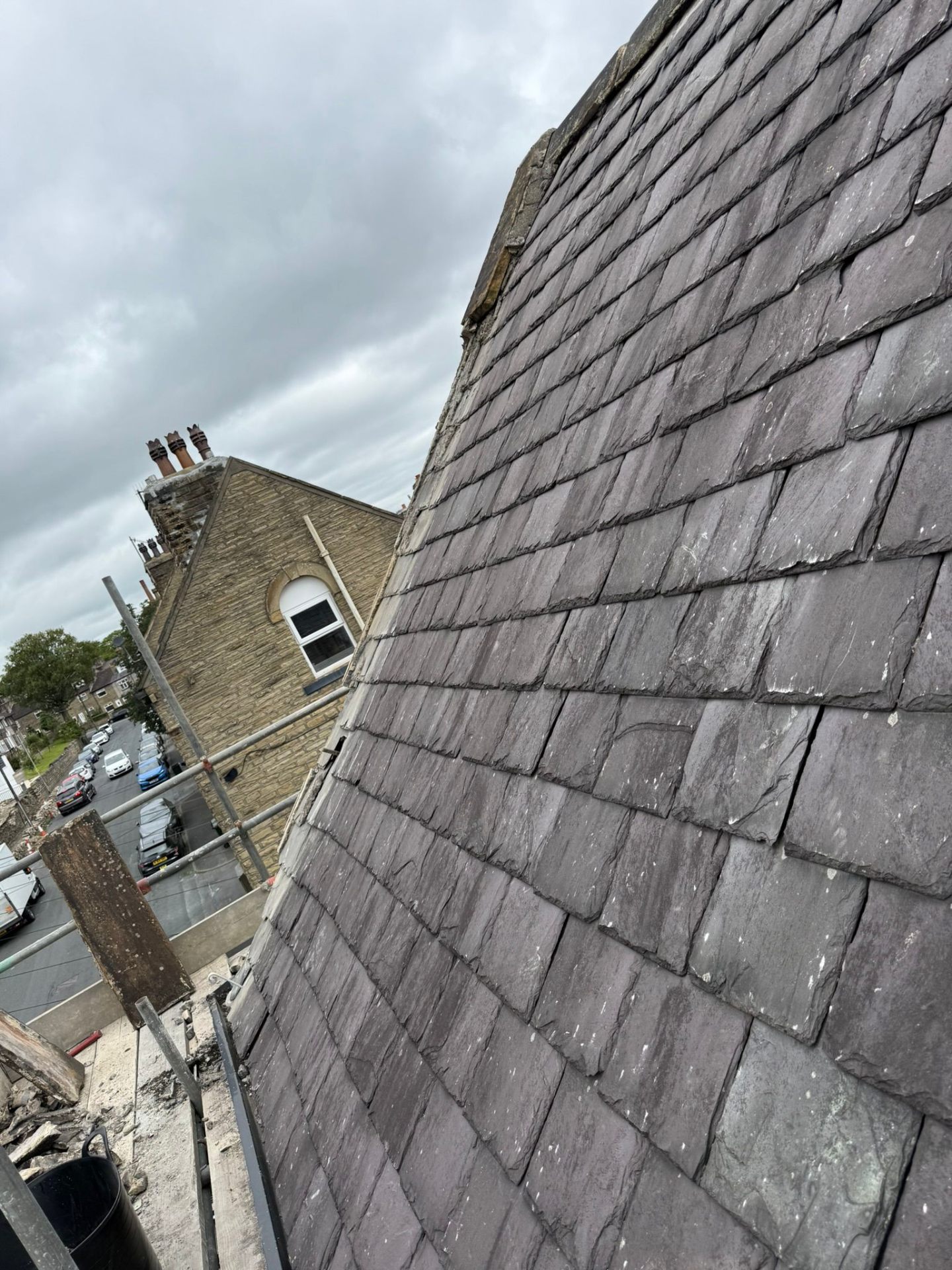
Step flashings are the most common leadwork application on Leeds properties. They follow the slope of the roof where it meets a wall — typically around chimneys and at abutment walls on terraced and semi-detached houses. Each step piece is cut to match the tile coursing, dressed into a raggle (a groove cut into the mortar joint), and secured with a lead wedge. The raggle is then sealed with mortar or sealant.
Chimney flashings consist of multiple pieces: front apron, step flashings on each side, and a back gutter. The back gutter is the most critical piece — it must collect water from the upslope side of the chimney and direct it to either side. Incorrectly formed back gutters are the single most common cause of chimney-related leaks.
Valley liners are formed from single sheets of lead, dressed to follow the angle where two pitched roof sections meet. The lead must be wide enough to extend at least 125mm under the tiles on each side. Valleys must be formed with a central crease to direct water flow and prevent it washing under the tile edges — a detail that requires experience to execute correctly.
Bay window tops are typically covered with Code 5 lead dressed over a timber substrate. The lead must accommodate thermal expansion — a 1.5m sheet of lead expands by approximately 3mm with a 30°C temperature change. We form expansion joints (rolls or drips) at appropriate intervals to prevent fatigue cracking.
Lead welding (using oxy-propane equipment to fuse lead pieces together) creates the strongest, most waterproof joints. We use lead welding for complex junctions, corner details, and areas where mechanical joints would create a potential failure point.
For properties where lead theft is a risk, we offer several alternatives. Coded lead with UV-reactive SmartWater marking deters theft and aids recovery. Mechanically fixed lead with concealed screws and clamps makes removal significantly harder. For maximum security, we offer lead-effect alternatives — GRP, stainless steel, or bituminous products that replicate the appearance and function of lead without the theft incentive.
Frequently Asked Questions
How much does leadwork cost in Leeds?
Lead flashing replacement around a chimney typically costs £400-£900. Valley liner replacement ranges from £600-£1,200. Bay window tops cost £500-£1,000. Costs depend on access requirements and the extent of work. We provide fixed-price quotes after inspection.
How long does lead flashing last?
Properly installed lead flashings using Code 4 or Code 5 lead last 60-100+ years. This far exceeds any alternative flashing material, making lead the most cost-effective long-term option.
What's the difference between lead codes?
Lead codes refer to thickness. Code 3 (1.32mm) is for soakers. Code 4 (1.80mm) is the standard for flashings and general work. Code 5 (2.24mm) is for flat areas and heavy-duty applications. Thicker lead lasts longer but costs more — we recommend the appropriate code for each application.
Can you prevent lead theft?
We offer several anti-theft measures: SmartWater forensic marking, concealed mechanical fixings, and lead-effect alternatives. We'll advise on the best approach for your property and location.
Is there an alternative to lead?
Yes. GRP flashings, stainless steel, and bituminous lead-effect products can provide effective weatherproofing for many applications. However, for complex details, valleys, and heritage properties, lead remains the superior material. We advise on the best option for each situation.
How do I know if my lead flashings need replacing?
Look for cracks, lifted edges, gaps between the lead and the wall, or missing lead pieces. Internally, damp patches near chimney breasts, window heads, or abutment walls often indicate flashing failure.
Do you carry out lead flat roofing?
Yes. We install lead flat roofs for bay tops, small porches, dormer roofs, and other areas where lead's longevity and flexibility make it the ideal material.
Are you trained in leadwork?
Yes. Our team has specific training and extensive experience in traditional leadwork techniques. Lead sheet installation is a specialist skill — it's not something that can be improvised by a general roofer.
Do you guarantee your leadwork?
Yes. All leadwork carries a written workmanship guarantee. Combined with lead's natural lifespan, this means your investment is protected from every angle.
What areas do you cover for leadwork?
We cover Leeds and all surrounding areas including Wakefield, Bradford, Harrogate, Wetherby, Pudsey, Morley, Horsforth, and Otley.